The dew point is the temperature at which air becomes fully saturated with water vapour, causing condensation — and it’s one of the most important measures for understanding humidity, comfort, and weather forecasting.
What Is Dew Point?
The dew point is the temperature to which air must be cooled, at constant pressure, for water vapour to condense into liquid water. When the air temperature equals the dew point, the relative humidity is 100%, meaning the air cannot hold any more moisture. At this stage, dew forms on surfaces, fog develops near the ground, or clouds appear higher up in the atmosphere.
Unlike relative humidity, which is expressed as a percentage and varies with temperature, the dew point is an absolute measure of moisture content.
A higher dew point means more water vapour is present in the air, while a lower dew point indicates drier air.
Dew Point and Human Comfort
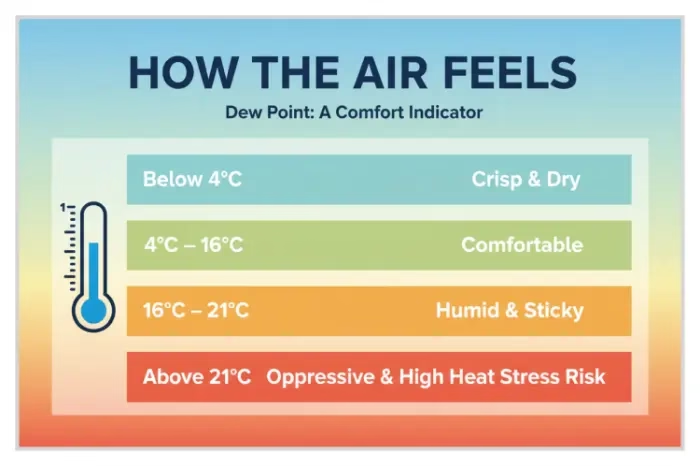
The dew point is a direct indicator of how the air feels:
- Below 40°F (4°C): Air feels crisp and dry.
- 40–60°F (4°C–16°C): Comfortable for most people.
- 60–70°F (16°C–21°C): Humid and sticky.
- Above 70°F (21°C): Oppressive, with high risk of heat stress.
This matters because perspiration cools the body by evaporating. When the dew point is high, evaporation slows, leaving sweat on the skin and making conditions feel muggy or even dangerous during heat waves.
Dew Point and Weather Forecasting
Meteorologists rely on dew point to predict weather events:
- Thunderstorms: High dew points (above 18°C) signal abundant moisture, a key ingredient for severe storms.
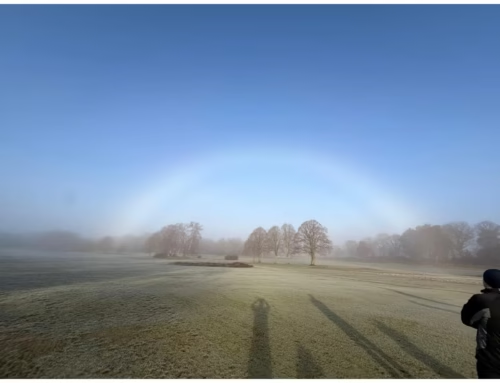
- Fog and Mist: When temperatures drop to the dew point overnight, fog often forms.
- Frost: In colder months, the dew point helps forecast frost. If it falls below freezing with clear skies, frost is likely.
Because dew point reflects actual moisture content, it’s often more reliable than relative humidity for anticipating weather changes.
Everyday Importance
Dew point isn’t just for scientists—it affects daily life:
- Energy Use: Higher dew points increase cooling demands in summer.
- Gardening & Agriculture: Farmers monitor dew point to anticipate frost or disease risks in crops.
- Aviation: Pilots use dew point to assess fog risk and visibility.
- Outdoor Activities: Campers, hikers, and athletes benefit from knowing dew point to prepare for comfort and safety.
Key Takeaways
- Dew point = temperature of saturation.
- High dew point = humid, sticky, storm-prone conditions.
- Low dew point = dry, crisp, comfortable air.
- It’s a critical tool for forecasting storms, fog, and frost.
Conclusion
The dew point is more than a technical weather term – it’s a practical measure of how the air feels and what the sky might do next.
Whether you’re planning a summer run, tending crops, or interpreting a forecast, understanding dew point gives you a clearer picture of both comfort and climate. Next time you hear “dew point” in a forecast, you’ll know it’s not just jargon it really is a simple way of knowing what the weather is up to.
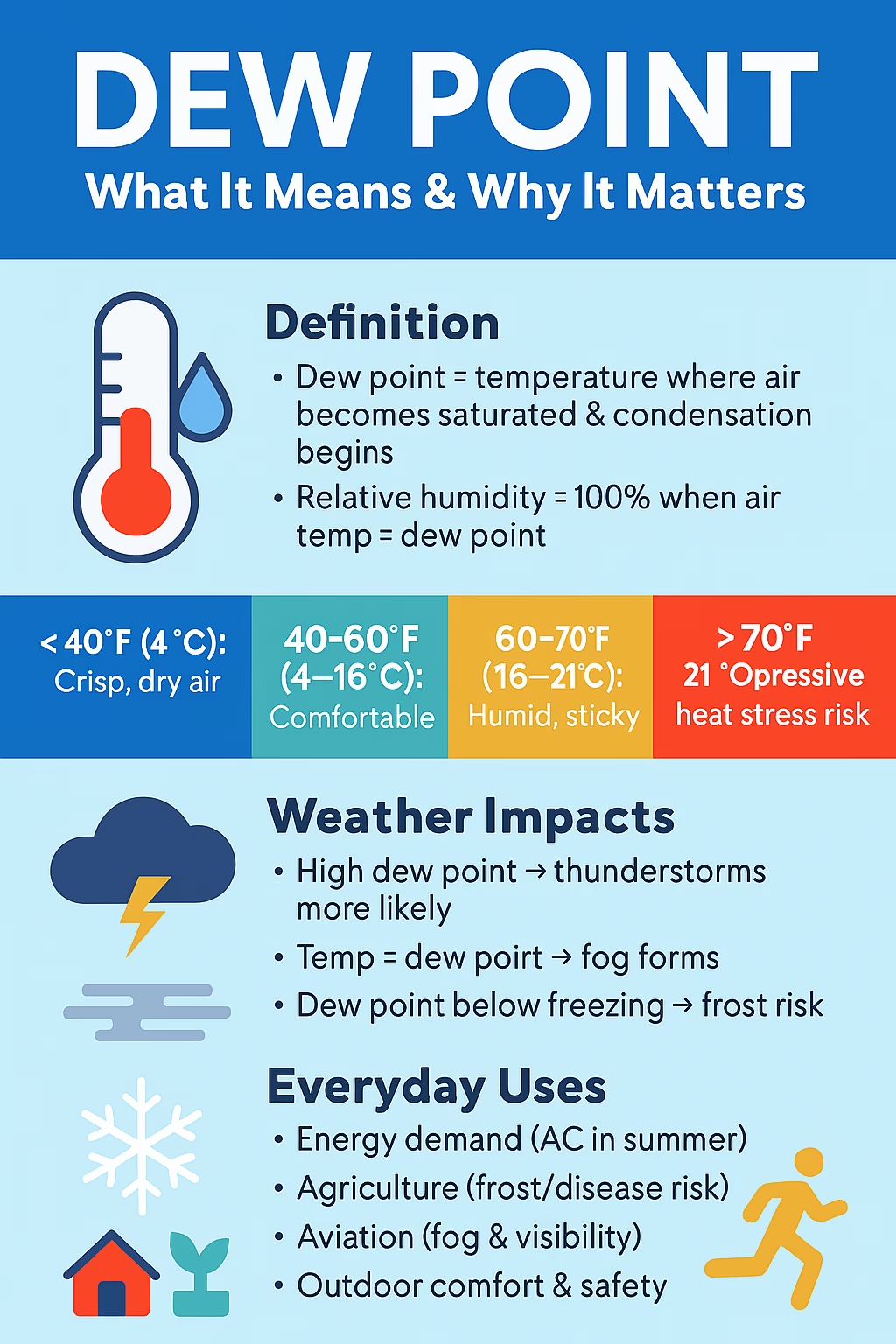
If you would like to download an infographic of this data (shown below) please click here
Infographic of Dew Point Article
If you enjoyed reading this, the please explore our other articles below: